







Search Results for: Central Italian
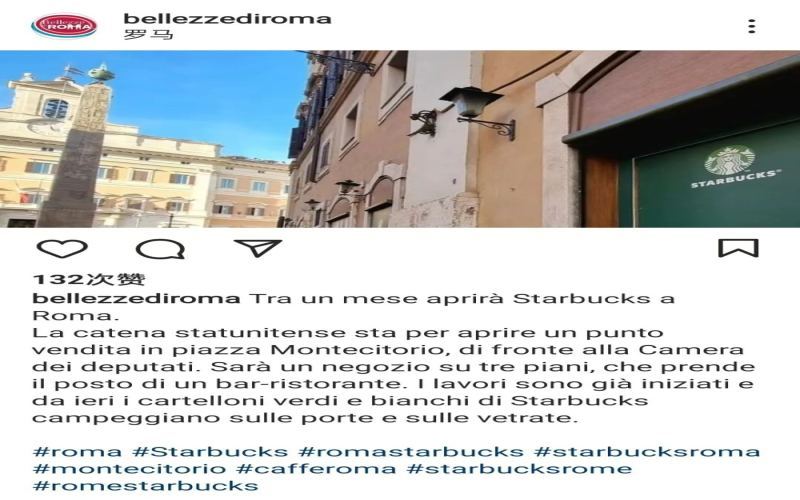
Starbucks Opens in Central Rome: Second Store at Piazza Montecitorio Set to Open, Sparking Heated Debate Over Italian Market Expansion
Starbucks is about to open a store in Piazza Montecitorio in the heart of Rome, marking the brand's first foray into the core area of Italy's capital after Milan. Since entering the Italian market in 2018, Starbucks has been gradually penetrating major cities, aided by the high-profile debut of its Milan Roastery. However, in Italy—a traditional coffee powerhouse where annual per capita consumption of coffee beans is 5.8 kilograms and the average price of an espresso is just 1 euro—Starbucks's high pricing stands in sharp contrast to local consumption habits, drawing questions from consumer associations and politicians. This article reviews the history of Starbucks's store openings in Rome and its market strategy, and explores the opportunities and challenges it faces in Italy's saturated coffee market. [more…]

A Complete Guide to Italian Coffee Roast Styles: Southern, Central, and Northern Italian, and How to Choose Blends
In crafting an outstanding espresso, the choice of roast level and the blending approach are often the key factors that determine the flavor direction. Coffee beans from different origins can only reveal their best characteristics at their respective ideal roasting points, and the roaster needs to find a balance among them. This article will guide you through the logic of espresso bean blending, introduce the basic differences among the three roasting styles of Southern Italian, Central Italian, and Northern Italian, and, in combination with several classic blend products under the Front Street Coffee brand, explain how to select suitable espresso beans according to taste preferences and production needs. Whether you are a home coffee enthusiast or the owner of a community coffee shop, you can gain practical reference ideas from it. [more…]
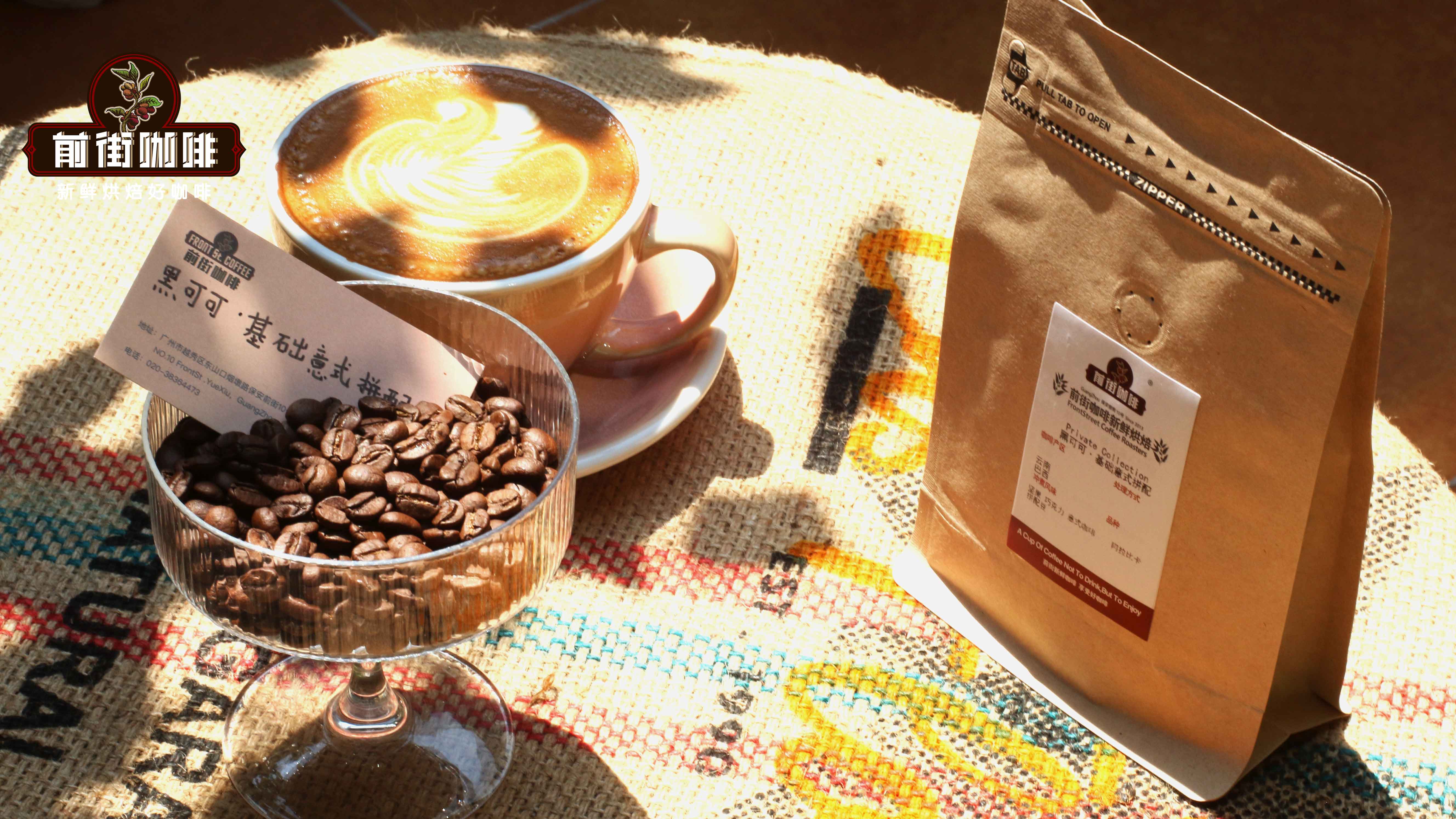
Espresso Blend Roasting Profiles Explained: Northern, Central, and Southern Italian Style Differences and a Home & Commercial Bean Selection Guide
To make a satisfying Espresso, relying on single-origin coffee beans alone is often difficult to achieve; the control of blending and roast level is the core. Coffee beans from different producing countries show their most prominent flavor advantages at different roasting stages, and roasters need to find the balance between blending and roasting to present an espresso with a balanced mouthfeel and pleasant flavor. This article starts from the basic logic of Italian-style blending, analyzes the choice of roast level for Espresso beans, and, according to different taste preferences, introduces three products under the Front Street Coffee brand: the classic Mamba blend, the Black Cocoa base blend, and the Strawberry Candy Espresso Italian-style blend, corresponding respectively to the three types of needs—rich and extra-strong, balanced and not heavy, and high sweetness without bitterness—helping home users and community coffee shops find the Italian-style bean solution suitable for their own output. [more…]

Lavazza stores in Changsha have closed one after another, and the century-old Italian brand may completely withdraw from the local market.
Recently, multiple consumers in Changsha have posted on social media claiming that Lavazza's Wankuntu store and Kaideyi store in Changsha will successively cease operations on January 8 and 9, 2026, and some local users have revealed that the brand will completely withdraw from the Changsha market soon. This century-old Italian coffee brand, once known as the "godfather of Italian coffee," opened its first store in Central China at Orange Isle Park in late 2021, creating quite a sensation at the time, and subsequently set up 5 stores in downtown Changsha. However, the first store quietly closed just one year after opening, and the Xingcheng Tiandi store also ceased operations at the end of March 2025. Now the remaining stores have also been reported to be closing. Long-time users have differing views on the brand's operational capabilities, product value for money, and market prospects. Some express regret, while others believe that adjusting the layout is a normal business decision. [more…]
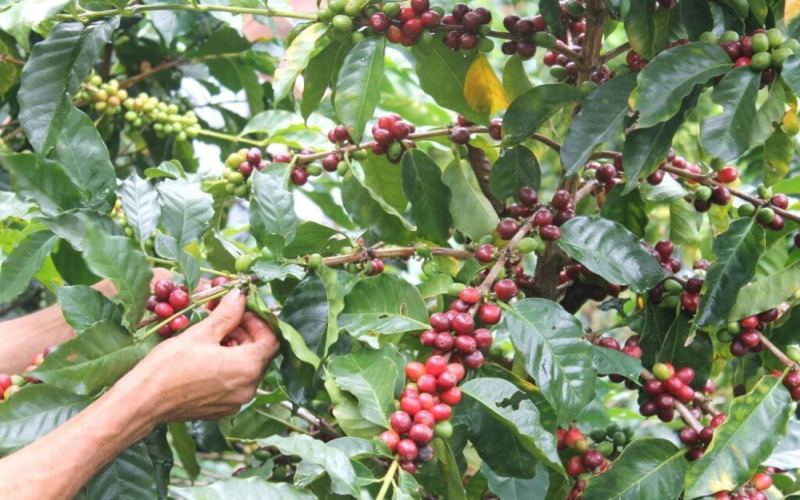
The Rise of Vietnam's Coffee Industry: A Look at Growing Regions, Bean Characteristics, and Classic Italian-Style Blends
Vietnam is the world's second-largest coffee producer. Its coffee industry, introduced during the French colonial period, has gone through a tortuous history of wartime interruption, reform and opening up, a surge in production, and price collapses. This article systematically reviews the development of Vietnamese coffee, explains in detail the altitude, bean varieties, and harvesting characteristics of the three major producing regions—the Central Highlands, southern Vietnam, and northern Vietnam—and analyzes the reasons behind Vietnam's quality, which is dominated by Robusta. At the same time, Front Street Coffee's classic espresso blend also uses Vietnamese Robusta beans, which together with Indonesian Mandheling and Brazilian Cerrado present rich chocolate and nutty flavors. [more…]
What Is Caffè Corretto? A Full Analysis from the Origins of Espresso with Spirits to Drinking Methods Around the World
Caffè Corretto is a traditional Italian drink that is extremely common in Italy itself but rarely seen outside the country. Its unique feature is that freshly brewed espresso is served alongside a small glass of liquor, allowing guests to blend it to their own preference. Behind this drinking method lies the historical origin of the coffee price surge in 1930s Italy, and different regions also have their own particularities in the choice of liquor and the timing of consumption. This article begins with Front Street's discovery while revisiting James Hoffmann's book, sorting out the origin of the name Caffè Corretto, its historical background, the drinking habits of various regions in northern and southern Italy, and also includes Front Street's low-budget recreation experience, to introduce you to this obscure yet authentic Italian specialty coffee. [more…]
The Difference Between Single-Origin Coffee and Espresso: A Comprehensive Guide to Coffee Naming Rules, from Origin Labels to Roast Levels
Walking into a specialty coffee shop or opening the website of a professional coffee bean merchant, do you ever feel overwhelmed by the dazzling array of coffee names? Why are coffee bean names so long? How exactly do you tell the difference between single-origin, dark roast, and espresso? What information is actually hidden behind these complex names? This article will walk you through the key elements of coffee bean naming one by one, including origin labeling, roast level, grading systems, and small-lot estate farms. From the solo performance of single-origin coffee to the concerto of coffee blends, from Northern Italian light roast to French dark roast, and on to grading codes like SHB and AA+, you'll never be confused again the next time you shop for coffee—you'll easily read the ID card of every bag of coffee beans. [more…]
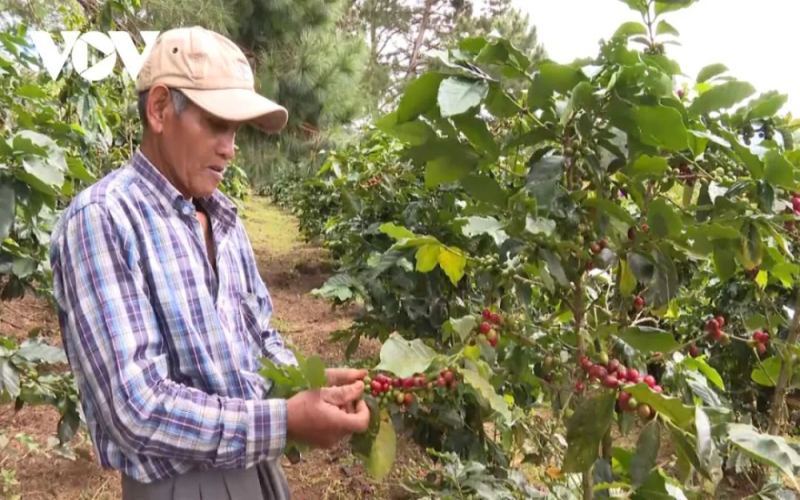
Vietnamese coffee prices continue to climb, and the Red Sea shipping crisis may further intensify it.
Coffee prices within Vietnam have once again climbed. In the Central Highlands, the largest producing region, purchase prices have generally risen by 1,300 to 1,400 Vietnamese dong per kilogram, and the price of coffee beans in bulk has risen to a range of 92,400 to 93,200 Vietnamese dong per kilogram. On the international market, Robusta futures for delivery in May 2024 rose to 3,450 US dollars per ton, while Arabica fell back to 182.95 US cents per pound. At the same time, armed attacks in the Red Sea and the Bab el-Mandeb Strait continue to escalate, with the Houthi armed group threatening to expand the scope of attacks to the Indian Ocean, and global shipping is facing a new round of pressure. Vietnamese coffee exporters, meanwhile, have high hopes for the Italian market, where Robusta occupies a dominant position. [more…]
A Complete Guide to Coffee Flavors: From Classic Americano to Italian-Style Specialty Drinks—Understanding Blue Mountain, Mandheling, and More in One Go
On a weekend afternoon, whether you're enjoying the quiet alone at a corner café or inviting friends over to drink together at home, choosing the right cup of coffee often sets the tone for the entire experience. Do you truly understand the flavor differences among various types of coffee? Starting from the two main branches—American-style and Italian-style—this article breaks down one by one the taste characteristics of classic single-origin coffees such as Front Street Blue Mountain, Front Street Mandheling, Mocha, Brazil, and Kenya, as well as Italian-style specialty drinks like Latte, Cappuccino, Irish Coffee, Macchiato, and Con Panna, helping you find the cup that best suits your taste buds. [more…]
How a Moka Pot Works | What Are the Pros and Cons of a Moka Pot? Does Brewing Black Coffee with a Moka Pot Produce Crema?
As coffee has entered people's lives, it has gradually become a part of everyday life. The enjoyment of coffee is no longer limited to the pleasure brought by pour-over. There are many ways to drink coffee; besides the simple pour-over, espresso-based coffee is everyone's favorite. Perhaps you often hear people say in a coffee shop: "I'll have a [more…]
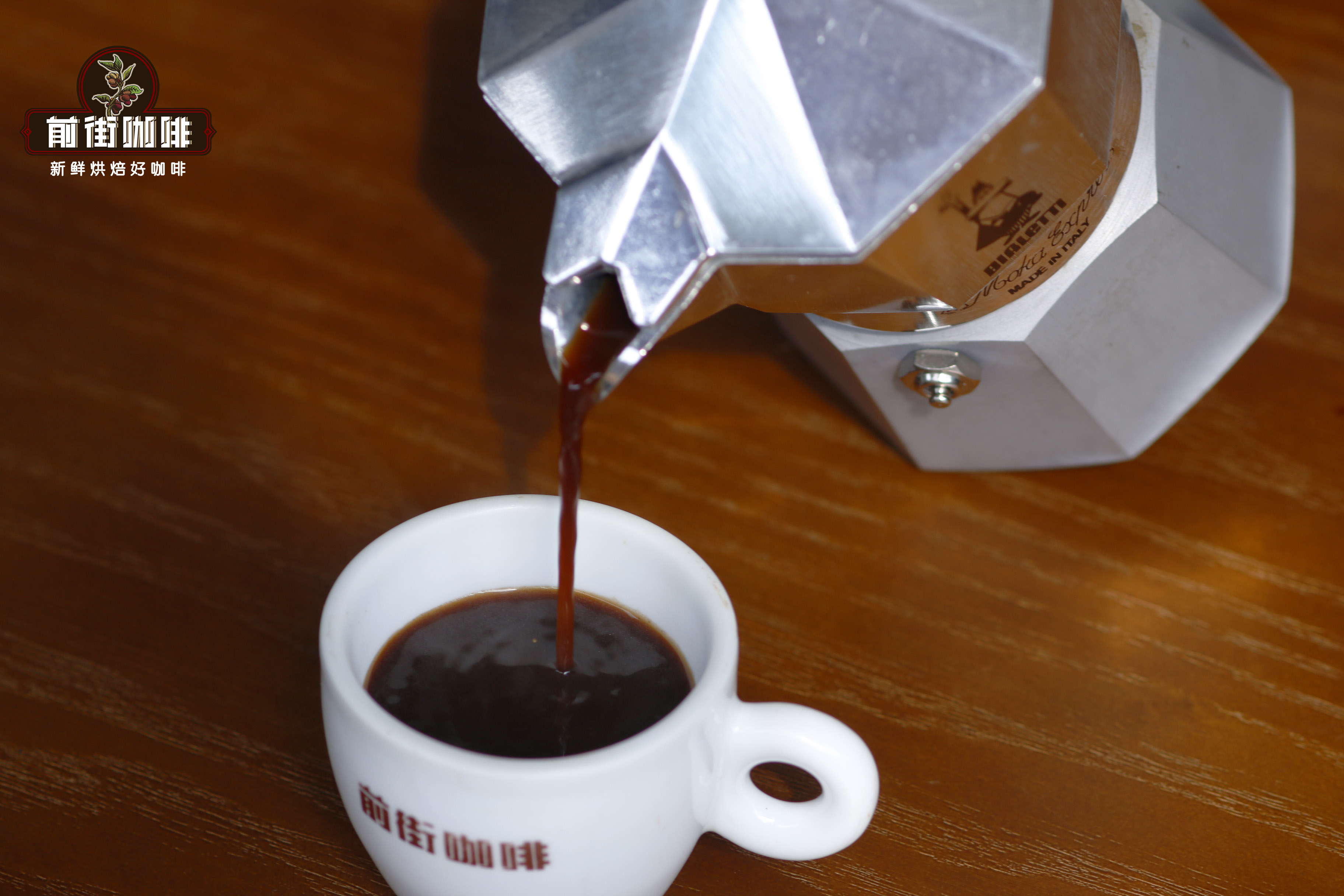
Moka Pot Coffee Bean Recommendations | How long does it take to brew coffee with a moka pot? What are the precautions for using a moka pot? What are the flavor characteristics of moka pot coffee?
The Moka Pot, also known as a moka pot, is a brewing device commonly used in Italian households to extract espresso. Placing the moka pot directly on the stove and heating it, it extracts using steam pressure, and this is usually called a stovetop espresso maker. The moka pot has attracted many people because of its beautiful and exquisite appearance, and it can brew [more…]
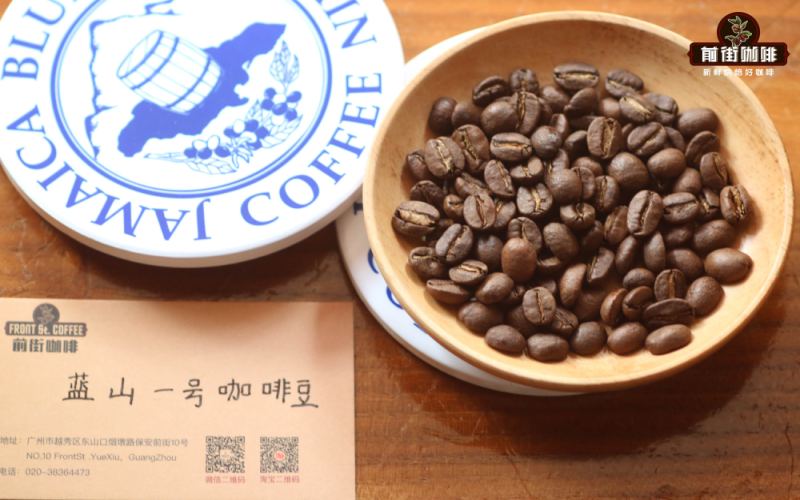
An Analysis of Jamaican Blue Mountain Coffee Flavor Characteristics: A Complete Guide to the Taste of Classic Coffees Such as Blue Mountain, Mandheling, and Mocha, and Italian-Style Drinking Methods
On a weekend afternoon, whether you're enjoying the quiet alone at a corner café or inviting friends over to drink together, choosing the right cup of coffee often determines the atmosphere for the whole afternoon. Faced with a dazzling array of American-style and Italian-style coffees, are you clear about the flavor characteristics of each one? This article systematically sorts out the origins and tastes of classic American-style coffees such as Blue Mountain, Mandheling, Mocha, Brazil, and Kenya, and introduces the composition and drinking methods of Italian-style drinks such as latte, cappuccino, Irish coffee, macchiato, and con panna, helping you make a more suitable choice based on your taste preferences. It also includes related recommendations from Front Street Coffee. [more…]
Moka Pot Coffee Bean Selection Guide: A Detailed Explanation of Grind Size and Operating Steps for Easily Extracting Rich Crema
The moka pot is a common Italian-style coffee device found in Italian households; it is simple to operate yet can brew a rich flavor close to espresso. Starting from the working principle of the moka pot, this article explains in detail the suitable coffee bean roast level, grind size selection, and the complete brewing steps. It also compiles a list of several everyday beans suitable for the moka pot, including Front Street Classic Italian Blend, Brazil Queen's Estate, Colombia Huila, Golden Mandheling, and Yunnan Small Bean, helping coffee lovers easily extract mellow coffee with rich crema at home. [more…]
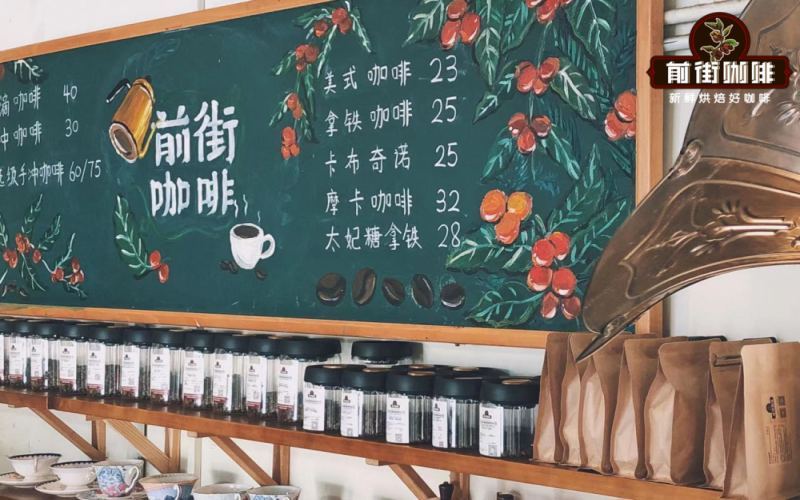
A Comprehensive Analysis of the Differences Between Espresso Blend Coffee Beans and Single-Origin Beans and the Logic of Blending
Many friends who are just getting into coffee are curious: why are blend beans used for making lattes and cappuccinos, while single-origin beans are used for pour-over? What exactly is the difference between the two? Starting from Front Street Coffee's production practices, this article systematically sorts out the definition of espresso blends, blending approaches, the original intent behind blending, and the respective pros and cons of blending raw versus roasted beans, while also explaining the importance of blending ratios and flavor harmony. The article also introduces in detail the formulas and flavor positioning of Front Street's four espresso blends, helping coffee enthusiasts choose suitable espresso beans according to their budget and taste preferences, and understand the philosophy of balance behind blending. [more…]
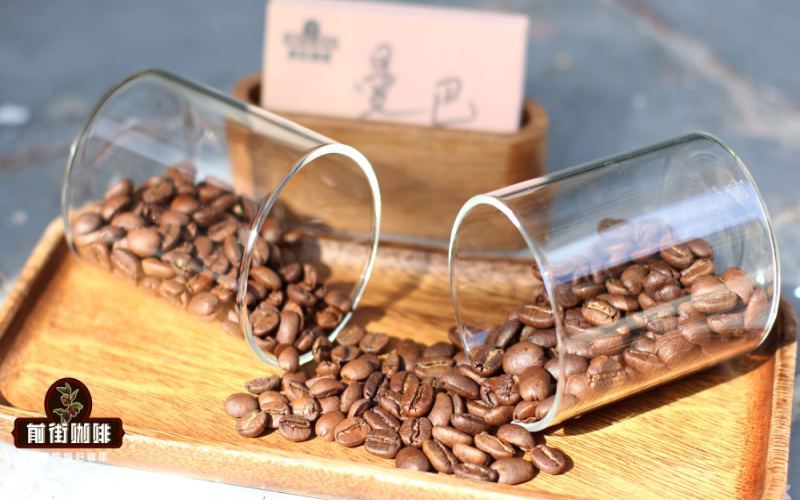
Tracing the Origins of Mamba Coffee Blend: A Classic Mix of Mandheling and Brazilian Beans and a Practical Guide to Espresso Extraction
Mamba coffee is a classic blend that was all the rage in Taiwan's early coffee shops. It is made by combining Indonesian Mandheling and Brazilian coffee beans, taking the strengths of both to achieve complementary flavors. Mandheling is grown in Indonesia's mineral-rich soil, and its beans are short and oval with a dark green color. After medium-dark roasting, its dark chocolate and caramel aromas are prominent, and its body is rich. Brazilian beans rank first in global production, have a smooth taste, and are often used as the base of a blend to balance the palate. Front Street Coffee's Golden Mandheling and Italian Classic Blend continue this approach. This article will start from the respective characteristics of Mandheling and Brazilian beans, sort out the origin and evolution of the Mamba recipe, and then use Front Street Coffee's store offerings as an example to explain in detail the Espresso's dose, ratio, time control, and key points for making lattes, helping coffee lovers understand how this old-school recipe is applied in contemporary espresso coffee. [more…]
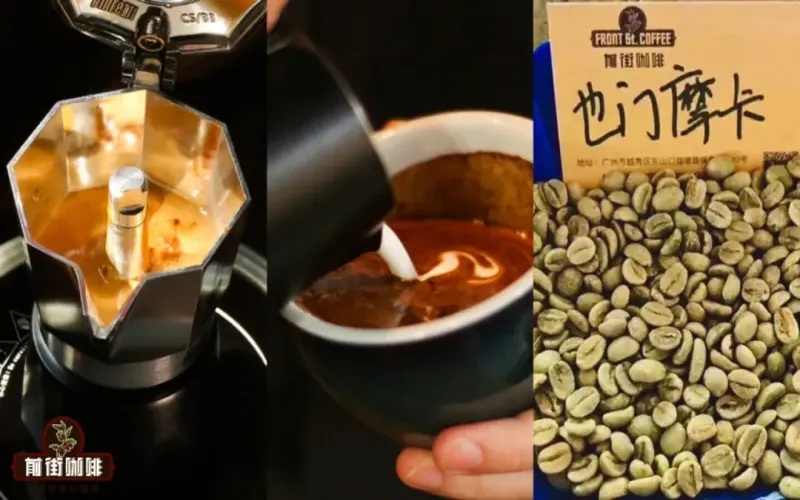
Tracing the Origins of the Names Mocha Coffee Beans, Moka Pot, and Caffè Mocha: The Evolution from a Yemeni Port to an Italian Drink
In the coffee world, the name "Mocha" appears frequently in coffee beans, coffee equipment, and coffee drinks. What exactly is the connection between them? This article starts with the history of the port of Mocha in Yemen, tracing how Mocha coffee beans got their name from the port and became popular in Europe, then analyzes how modern Mocha coffee evolved into an Italian-style milk coffee with chocolate added, and finally explains the naming logic of the Moka pot. The article also combines Front Street Coffee's products to offer pairing suggestions for Mocha coffee and Moka pots, helping readers fully understand the story behind the three "Mochas." [more…]
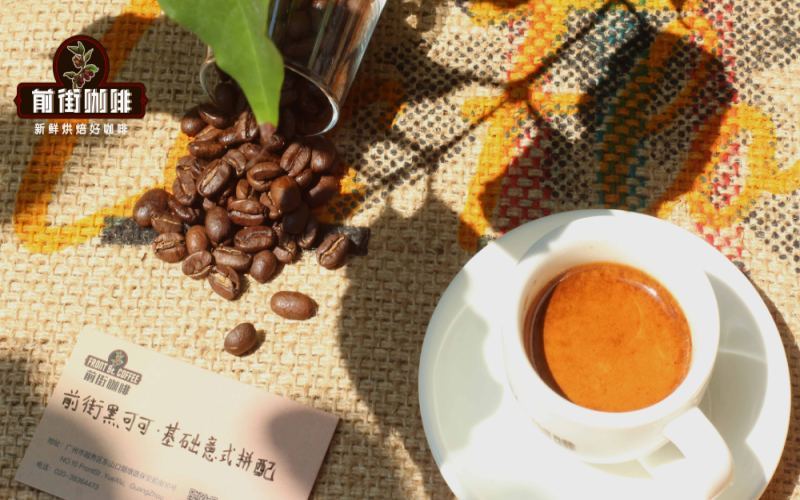
A Beginner's Guide to Choosing Coffee Beans for Home Use: From Machine Characteristics to Pairing Tips with Front Street Coffee's Espresso Blend
Faced with the dazzling array of coffee machines on the market, many people notice that almost all the well-known brands come from abroad, which is not hard to understand—coffee machines originated overseas to begin with, and given the differences in drinking habits at home and abroad, households in China that actually use coffee machines frequently are still a minority. Currently, the top ten household coffee machine rankings include De'Longhi, Philips, Electrolux, Siemens, EUPA, Panasonic, Saeco, Braun, Donlim, ACA, and others. After choosing a machine, the more critical step is picking the right coffee beans. Choose the wrong beans, and they'll either be so sour they're hard to swallow with a thin aroma, or so bitter and harsh they assault the palate. For beginners who have just gotten their hands on a coffee machine, starting with the entry-level Front Street espresso series is a fairly safe approach: if you prefer rich crema, go for the Front Street Classic Blend; if you're after balanced flavor and high value for money, go for the Front Street Black Cocoa Blend; and if you don't want anything too bitter, you can try the medium-roast Front Street Strawberry Candy espresso blend, which offers interwoven notes of rose, grape, and dried blueberry. [more…]
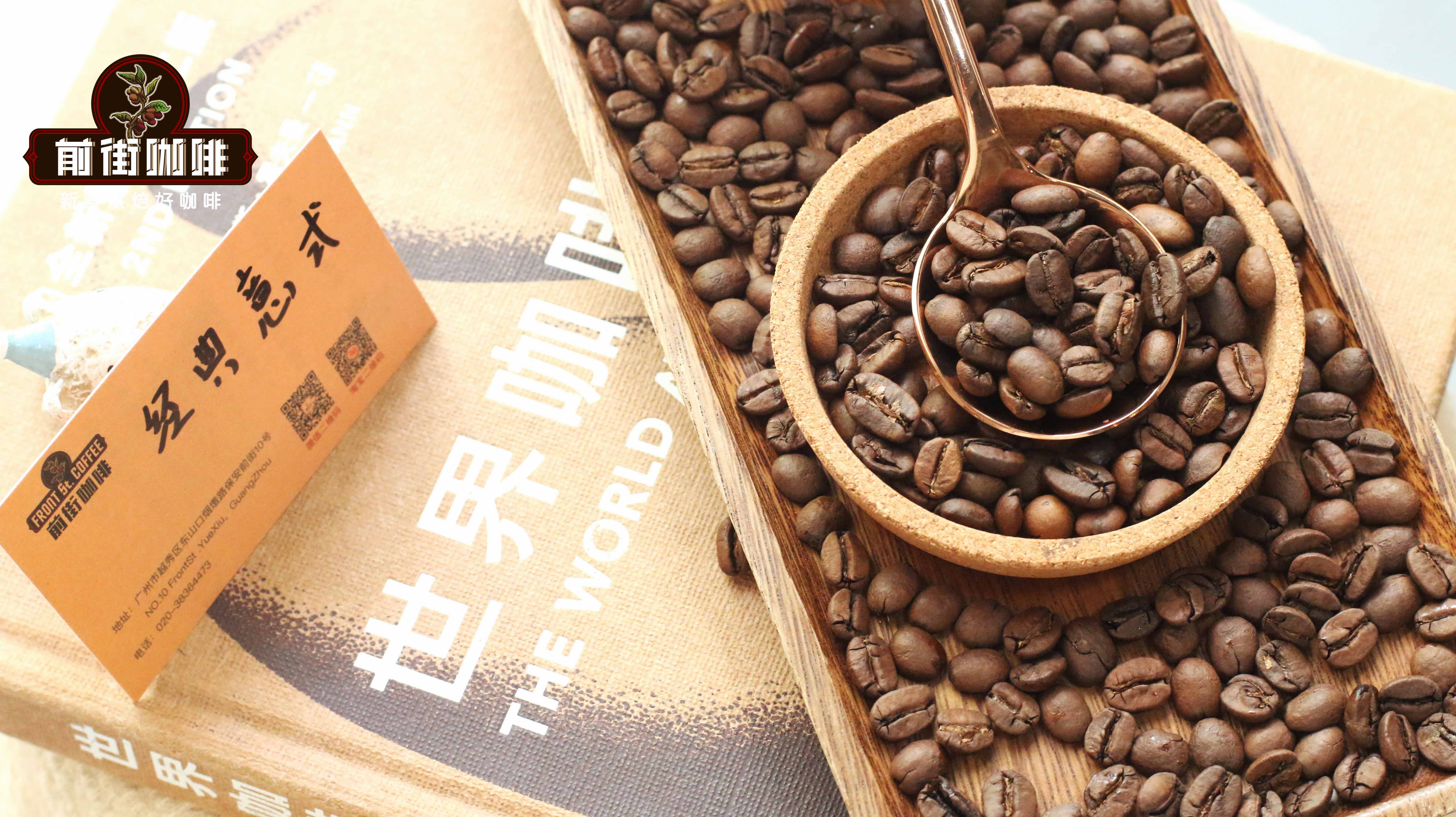
Introduction to Coffee Starter Equipment | How Can Coffee Newbies Use a Moka Pot to Make Coffee? Moka Pot Usage, Method, Principles, Features, and Coffee Ground Coarseness Introduction
Today, with espresso sweeping the globe, we are no longer unfamiliar with espresso—even passersby can name espresso drinks like Americano, latte, and cappuccino. But the moka pot is rarely used for commercial coffee output; it is mostly used at home, so many friends feel that the moka pot does not belong to the Italian coffee system. [more…]
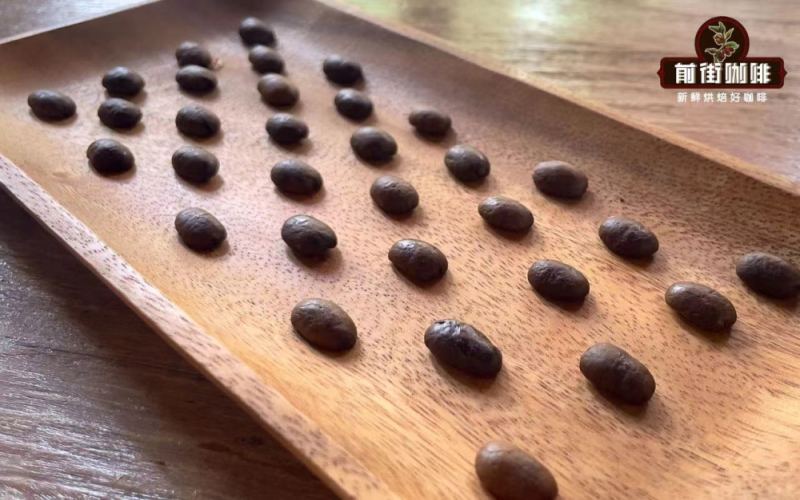
Which is better, Mandheling coffee or espresso? Starting from the flavor differences between blend beans and single-origin beans
Espresso versus Indonesian Mandheling—one is famed for its rich, velvety smoothness, the other for its herbal, spicy flavor. Which one actually tastes better? This question cannot really be answered simply. From the perspective of Front Street Coffee, this article first clarifies the basic concepts of espresso coffee, espresso, and single-origin coffee, then analyzes why espresso blends have become the mainstream choice, as well as the respective pros and cons of SOE and Mandheling espresso. At the end, it also includes recommendations for several popular espresso blends and Mandheling beans available at Front Street, helping you find the cup that suits your personal taste. [more…]
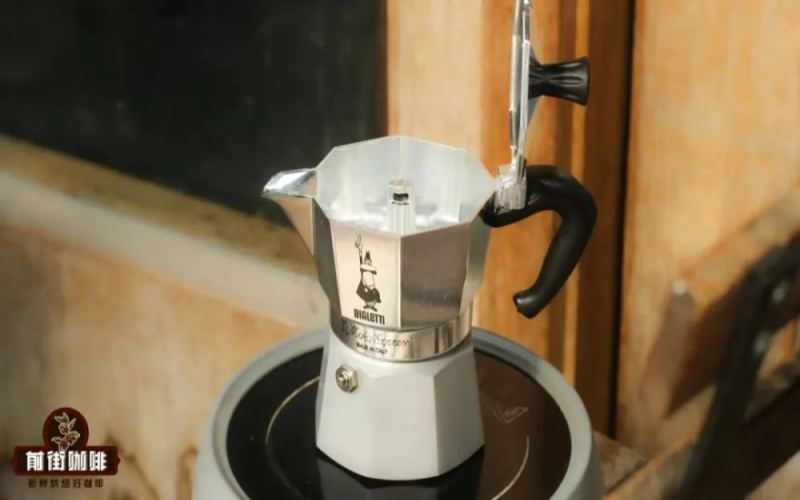
Moka Pot Beginner's Guide to Choosing Coffee Beans: Detailed Explanation of Coffee-to-Water Ratio and Operating Steps
The moka pot, an essential espresso-making device in Italian households, has also gained a large following in China in recent years. This article will start with the extraction principle of the moka pot, help beginners understand how to choose suitable coffee beans, and explain in detail key parameters such as the coffee-to-water ratio and grind size. It recommends several Front Street Coffee beans suitable for the moka pot, covering Italian blends, Colombia Huila, Brazil Cerrado, and more, with flavors ranging from nutty chocolate to creamy cookie, each with its own characteristics. Finally, a complete set of usage steps is included, from adding water and distributing the grounds to heating and extraction, teaching you step by step how to brew a rich cup of moka pot coffee. [more…]